
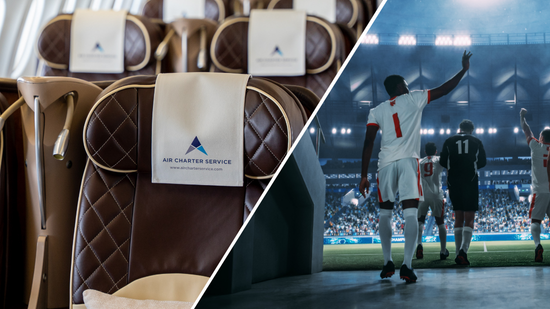
 Ninety minutes is what the world sees. What it doesn’t see is everything required to make those ninety minutes possible: an entire squad, backed by coaches and medical staff, and several tonnes of equipment, moving between training bases, fixtures and tournaments on timelines that leaves little margin for error.


Off the pitch: how elite football teams really travel
A travelling party is never just the starting eleven. Add the wider squad, coaches, analysts, medical teams, equipment staff, media and operations, and the number quickly exceeds 60 – before a single boot bag is loaded. When it works, players arrive rested, prepared and focused. When it doesn’t, something as small as a delayed connection or missing training equipment can quietly unravel weeks of preparation. At the top level, travel is not a convenience, it’s a competitive variable.
It starts months before kick-off
The process begins long before the season does, in pre-season camps that shape the squad’s foundation. Two regions consistently anchor the calendar. Spain offers warmth, elite facilities and full-size pitches in hubs such as Marbella and La Manga. Austria provides a different setting: cooler alpine conditions, exceptional infrastructure, and a network of football resorts around Salzburg that welcome clubs and national teams year after year. In both cases, the best venues are secured up to a year in advance.
That lead time is deliberate. Once training schedules are fixed, everything else must align precisely. A split camp across multiple locations, combined with pre-season friendlies, turns a single trip into a sequence of tightly timed movements – each one dependent on the last.

Why a squad outgrows the scheduled airline
What works for a solo traveller rarely works for a squad. Airline schedules prioritise network efficiency, not matchday demands, so direct routes between camp and the next opponent are often nonexistent. The result: longer journeys, tighter connections, and more opportunities for disruption. Add in baggage limits that don’t account for medical tables and recovery gear, and the challenge grows. Then there’s the exposure, splitting players across multiple flights and moving them through crowded terminals is a compromise few operations teams are comfortable making.
Past roughly 50 passengers on the same route, a dedicated aircraft starts to make more sense than block-booking seats. A single charter keeps the party together, removes the connection risk, and lets the schedule serve the football.

The turnaround is where it's won
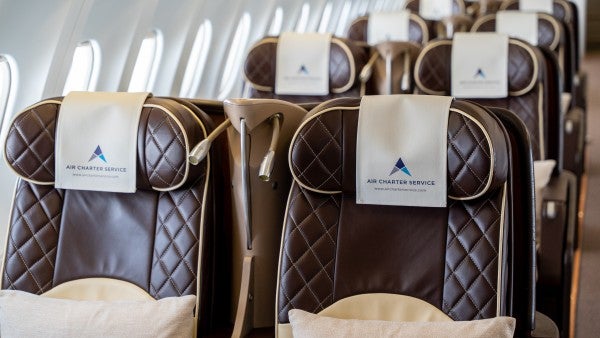
Nowhere do those pressures intensify more than in a congested run of fixtures. A club competing domestically and in Europe might face a midweek away match followed quickly by a weekend home game. Recovery doesn’t wait until morning, it begins at the final whistle. Departing shortly after the match, rather than staying overnight, brings players back into their own recovery environment sooner and preserves the time that matters most. In transit, the aircraft becomes an extension of the performance setup: physios treat players in the air, nutrition remains tightly controlled, and staff can review the game in private. Even the arrival matters – landing at a regional airport closer to the stadium can meaningfully reduce transfer time at both ends.
Knockout football adds a twist of its own: a team often does not know its next destination until it has won. Tournament travel rewards those who plan for uncertainty and secure aircraft before everyone else needs them.

Built for sport
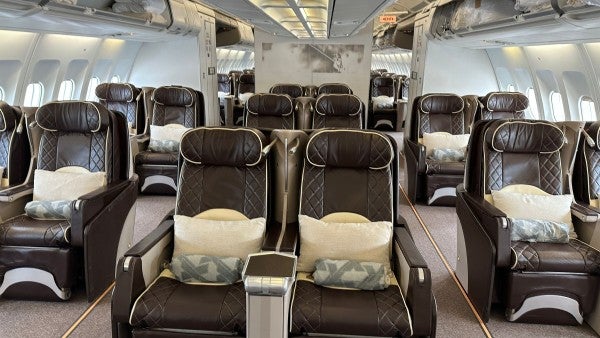
This is where Air Charter Service (ACS) comes into its own. As one of the world’s leading charter specialists, with offices across six continents, and teams operating around the clock, it approaches squad travel as the precise, high-stakes exercise it is. From selecting the right aircraft for each leg – whether a regional jet for a short domestic hop or a widebody for a long-haul tournament – to securing private terminals that shield players from crowds, every detail is considered. Catering and equipment are handled to club-specific protocols, while, for those who want it, the team’s identity carries through the journey, from branded headrests to bespoke terminal signage.
Professional football demands as much precision off the pitch as on it. Moving more than 60 people, along with technical equipment and carefully managed recovery setups, across multiple countries on tight timelines is more than logistics – it’s orchestration, designed around the needs of elite sport.


For squad charters, training camp programmes, or tournament travel, the ACS Group Charter Division is ready to help.